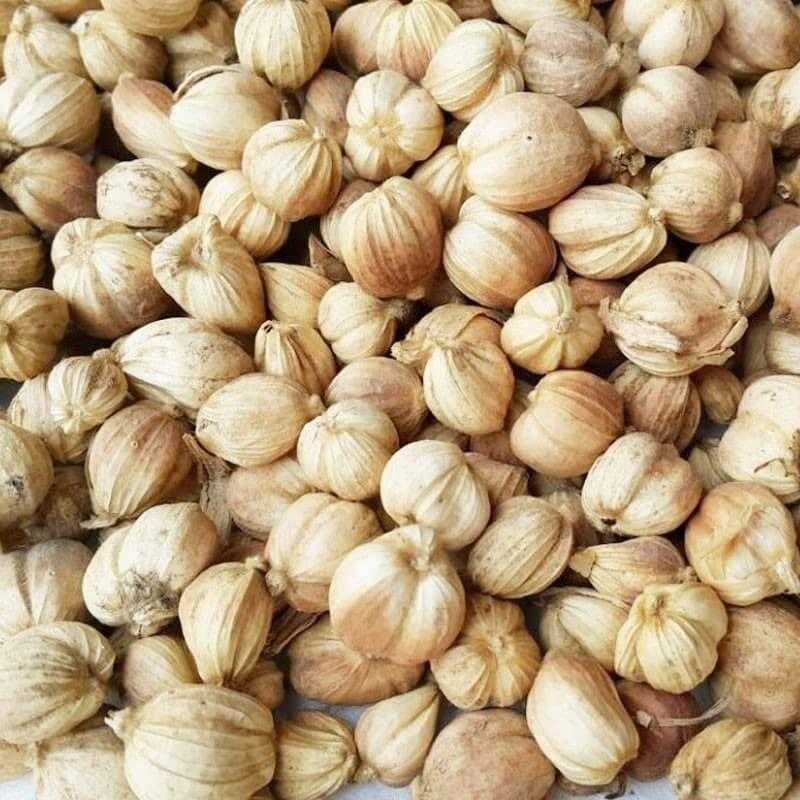
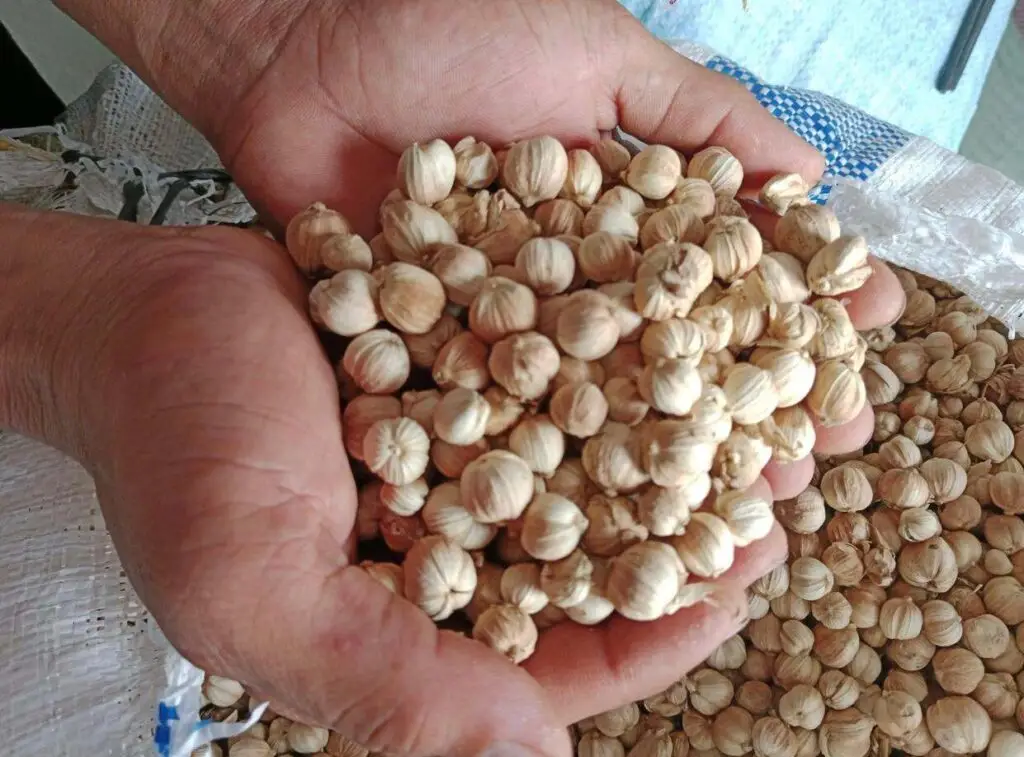
“Java cardamom” refers to Javanese cardamom (Amomum maximum), a spice with a distinctive flavor and aroma often used in cooking and health products. It can also refer to the variety of cardamom (Wurfbainia compacta) widely cultivated in Indonesia. This spice is rich in nutrients, used as a spice, and has various health benefits.
Availability: 150 tons per month. Humidity: 13%-15% Cleaned and blow-dried Packaging: Plastic sack with food-grade inner plastic 1 40-ft container = 13,000 kg of cardamom GACC available
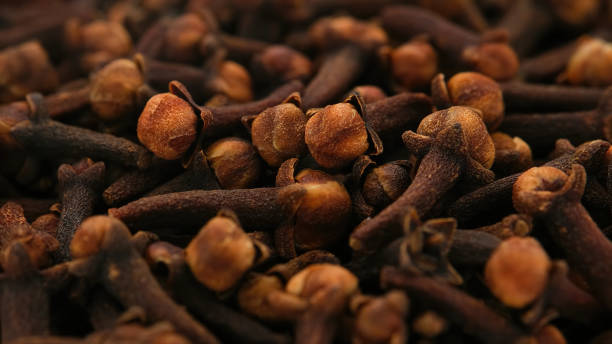
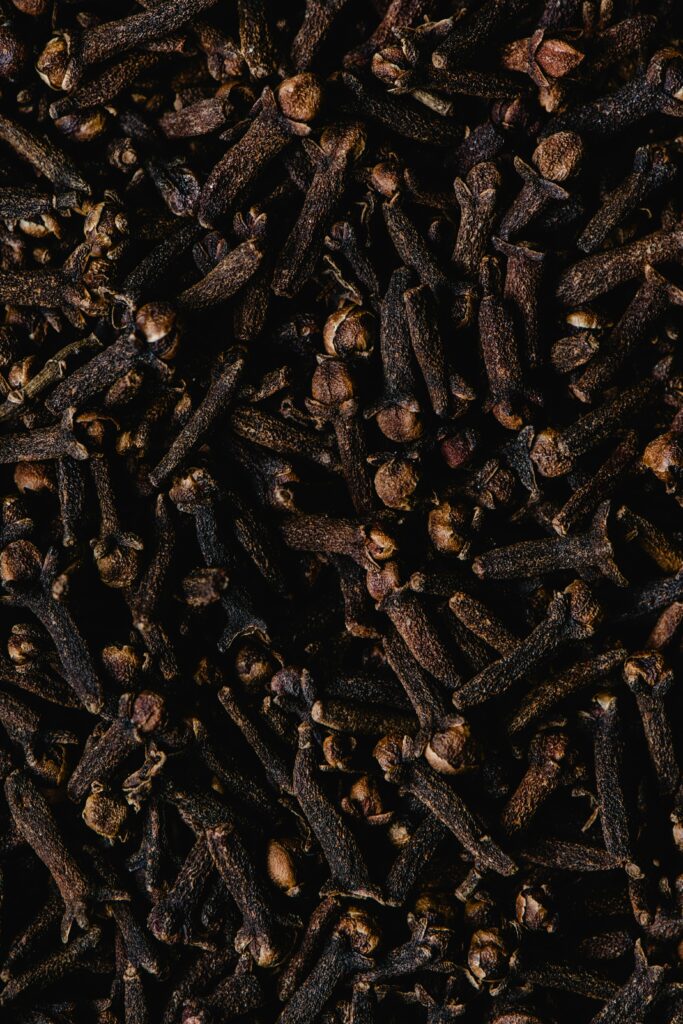
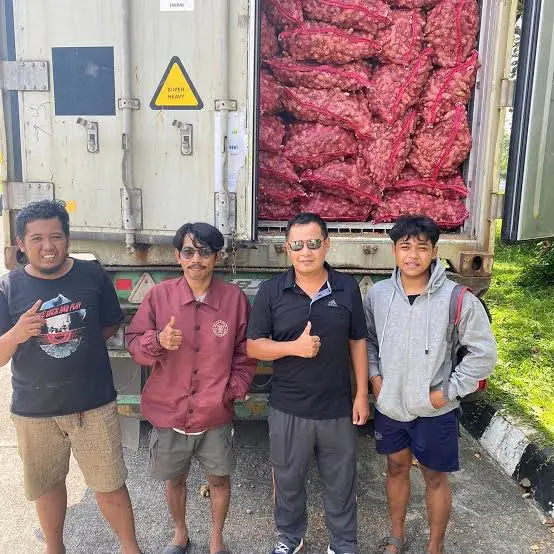
Cloves (or cloves in English, Latin: Syzygium aromaticum) are an aromatic spice in the form of dried flower buds from the clove tree, a plant native to Indonesia and native to the Maluku Islands. This spice is known for its strong aroma and distinctive spicy flavor. Characteristics Origin: Cloves are native to Indonesia, specifically the Maluku Islands (Ternate, Tidore, etc.). Tree: The clove tree is a tropical evergreen tree that can grow up to 8-12 meters tall, with lush leaves and bright red flowers. Form: The unopened flower buds are commonly used, which are picked and dried until they turn blackish-brown. Main Ingredients: Cloves are rich in active compounds, especially eugenol, which gives them their distinctive aroma and flavor, as well as possessing antioxidant, anti-inflammatory, and antibacterial properties.
Specifications Cloves AB6 Moisture content 13%-17% Availability 200-300 tons per month. Packing: Plastic sacks In one 40-foot container = 25,000 kg of cloves. GACC available
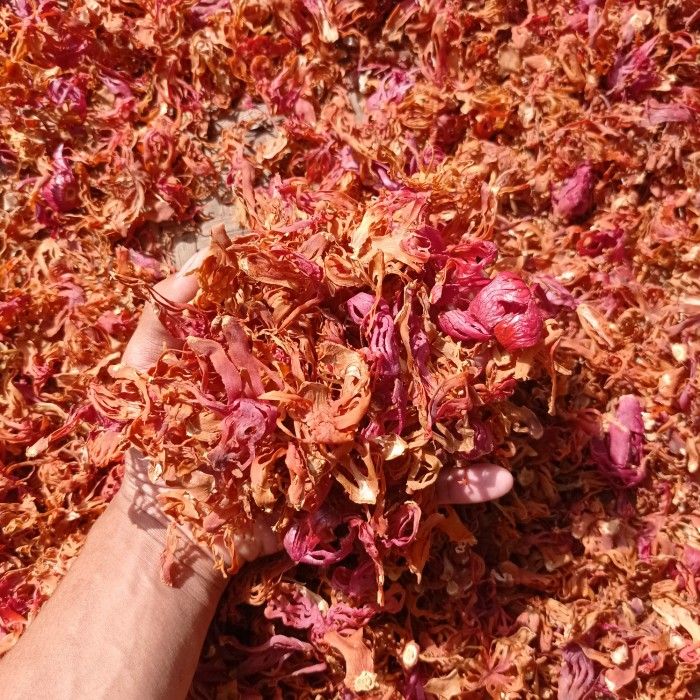
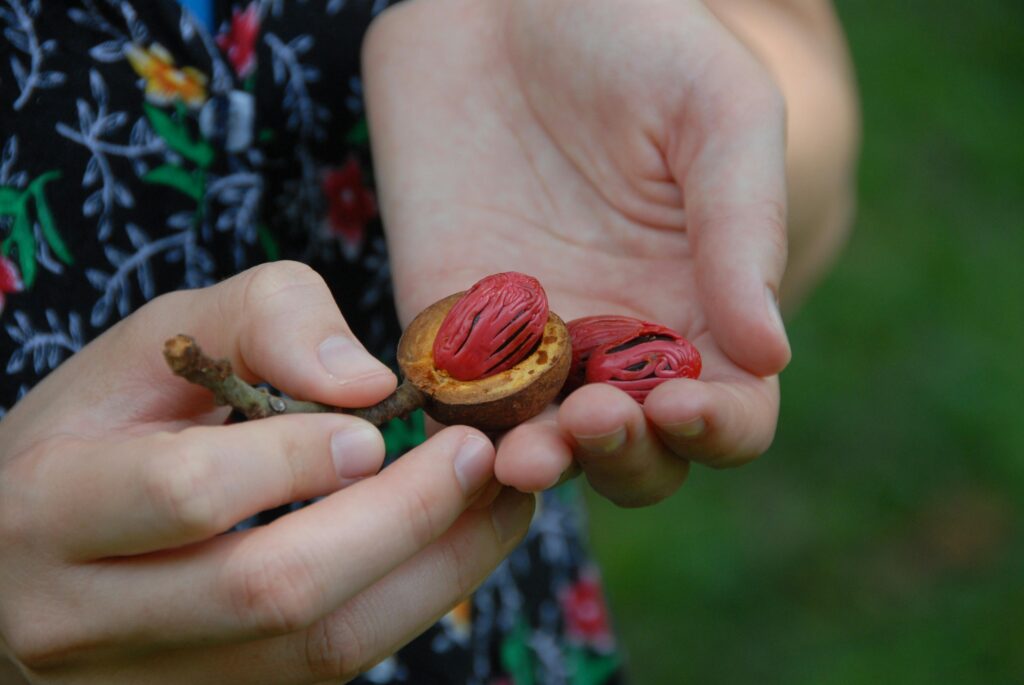
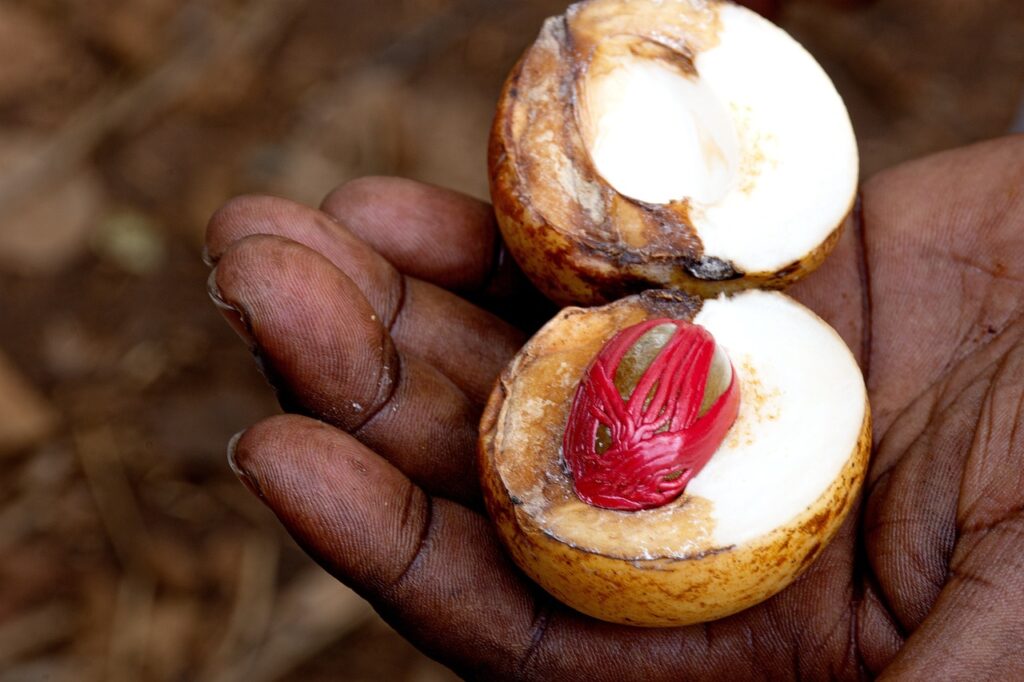
Mace is the dried husk of the nutmeg seed, also known as mace or mace. This spice has a flavor similar to nutmeg but is milder and is used to flavor various dishes such as meat, fish, and vegetables, as well as in preserves. Mace is usually sold dried after being separated from the nutmeg seed, flattened, and sun-dried until it changes color from pale yellow to yellowish brown.
Availability: 30 tons per month. Packaging: 10-25 kg boxes
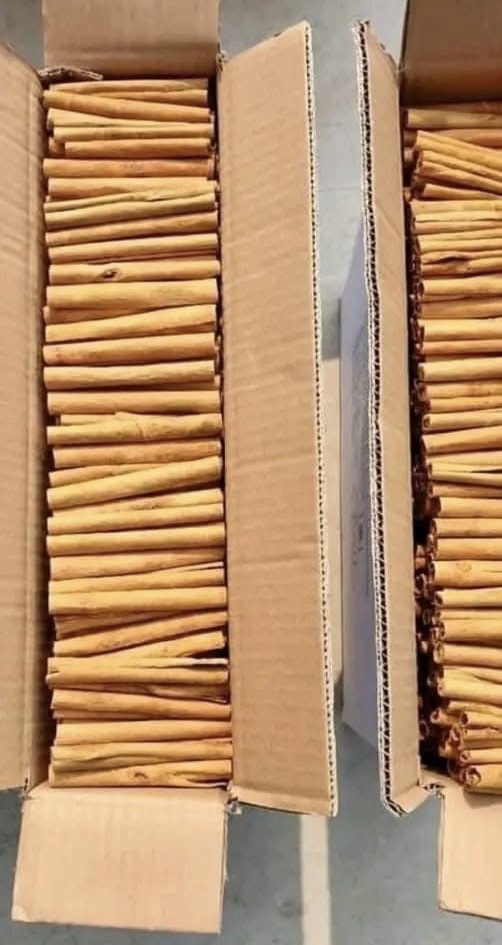
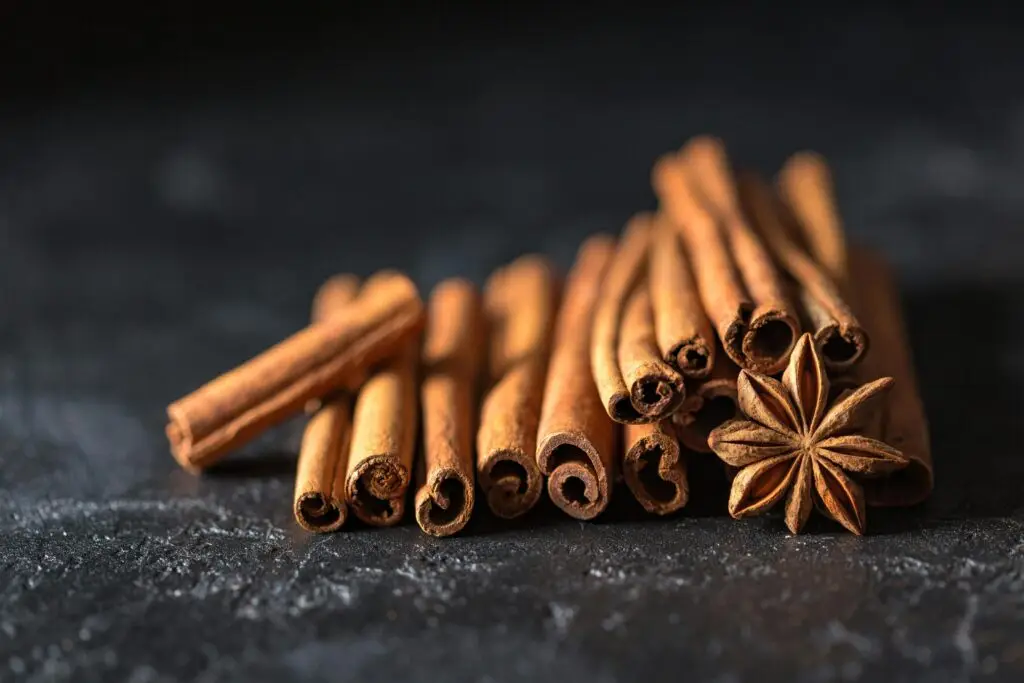
Cinnamon sticks are whole cinnamon sticks, a spice derived from the bark of the Cinnamomum tree. This spice has a sharp, sweet, and spicy aroma and can be used to flavor dishes, cakes, and drinks, or processed into a powder. Cinnamon is also believed to have various benefits, such as antimicrobial properties, aiding digestion, and containing antioxidants.
Availability: 80-120 tons per month. Sizes: 8 cm, 11 cm, and 15 cm. Packaging: Master box
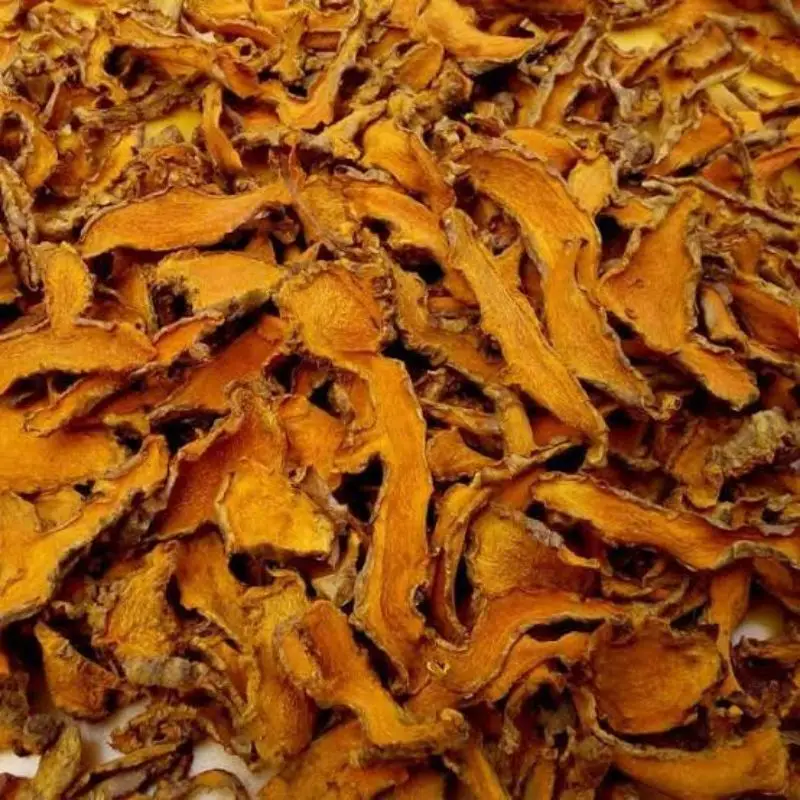
Turmeric (Curcuma longa) is an essential kitchen spice that gives Indonesian cuisine its distinctive yellow color. While fresh turmeric is often used, dried turmeric offers a long-lasting, easy-to-store alternative with a high concentration of curcumin—the main active compound responsible for most of its health benefits.
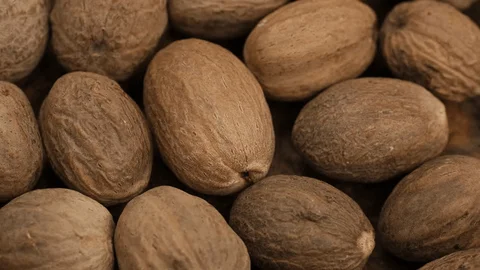
Nutmeg, or nutmeg, is a spice derived from the seeds of the Myristica fragrans tree and has a warm, sweet, and slightly spicy aroma. This spice is used to add flavor to dishes, drinks, and cakes, and has various benefits such as improving brain health, digestion, and reducing pain. Nutmeg can also be found in powdered form, whole seeds, or essential oil. Uses Culinary: Used to flavor dishes, drinks, cakes, and desserts. Pharmaceutical: Nutmeg oil is used to relieve digestive problems, reduce pain and swelling, and as a natural treatment for insomnia. Cosmetics: Used in skin care products because it can help treat skin conditions.
Available capacity: 50-100 tons per month. Packaging: Plastic sacks or burlap sacks.
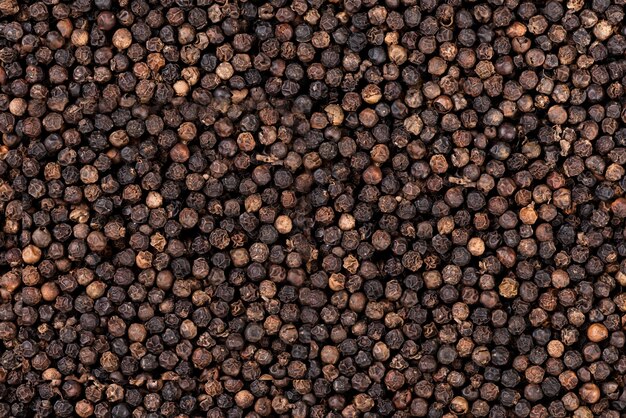
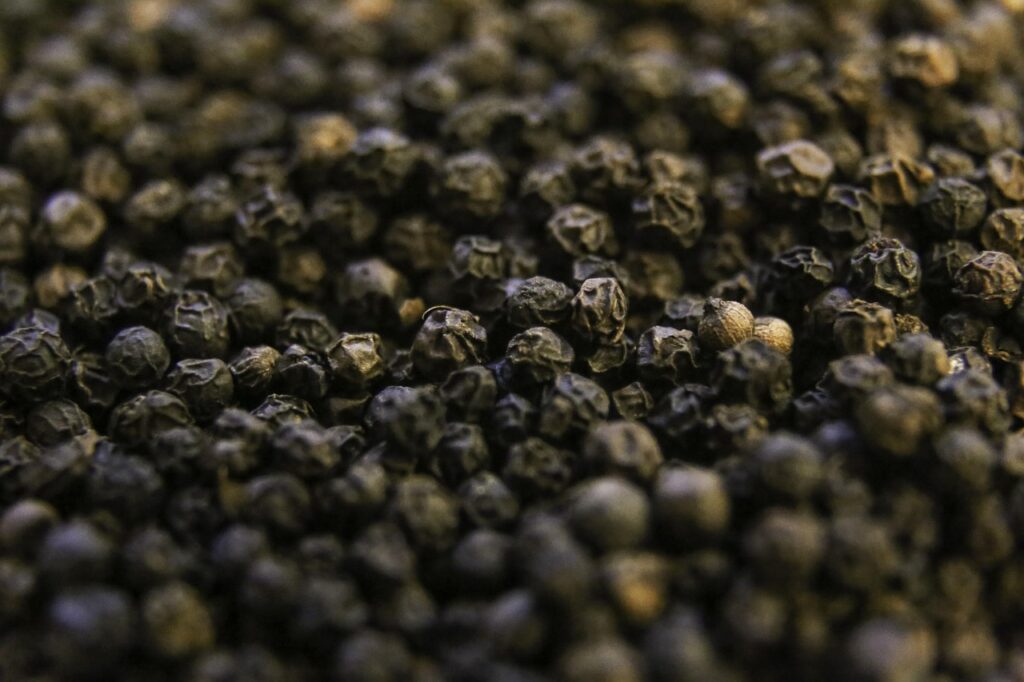
Black pepper is obtained from the unripe berries of the pepper plant. The fruit is harvested while still green, then dried in the sun until the skin wrinkles and turns black or brown. Its distinctive flavor is sharp, slightly spicy, and has a distinctive aroma. This plant originates from southwest India and is now widely cultivated in countries such as Indonesia (especially Lampung), Malaysia, and Brazil.
Availability: 120 tons per month. Packaging: 50 kg plastic sacks Size GL400-550
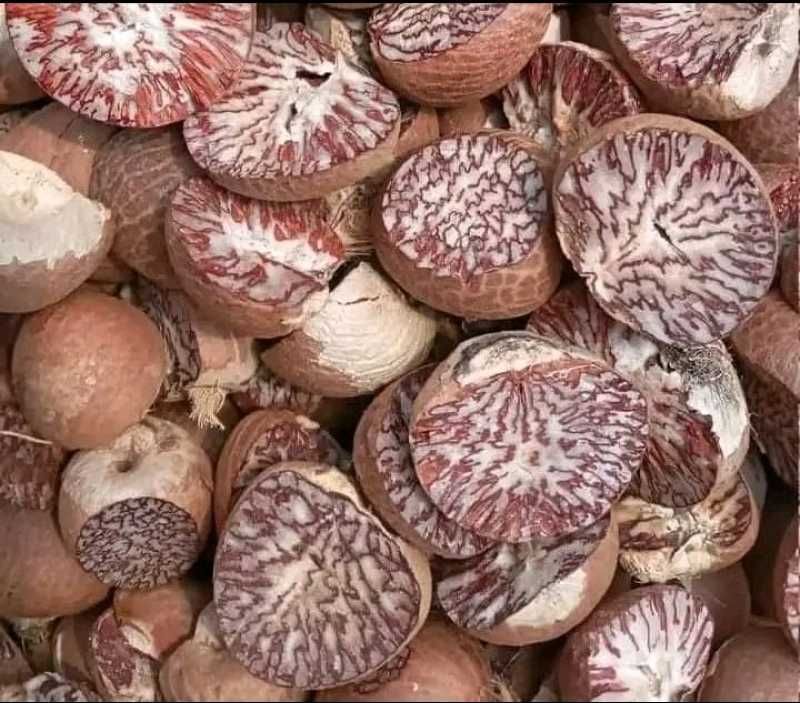
“Betel nut split” refers to betel nuts that have been split into two halves and is an important export commodity from Indonesia, particularly from provinces like Jambi. This product is used in various industries, including as a raw material for pan masala (a mixture of turmeric and betel), food, medicine, and traditional cultural practices. Its quality is classified based on the level of good cutting (e.g., 90-95% good cutting) and is processed according to international export standards.
Availability: 100 tons per month. 90-95% split grade Packaging: Plastic sacks or jute sacks.
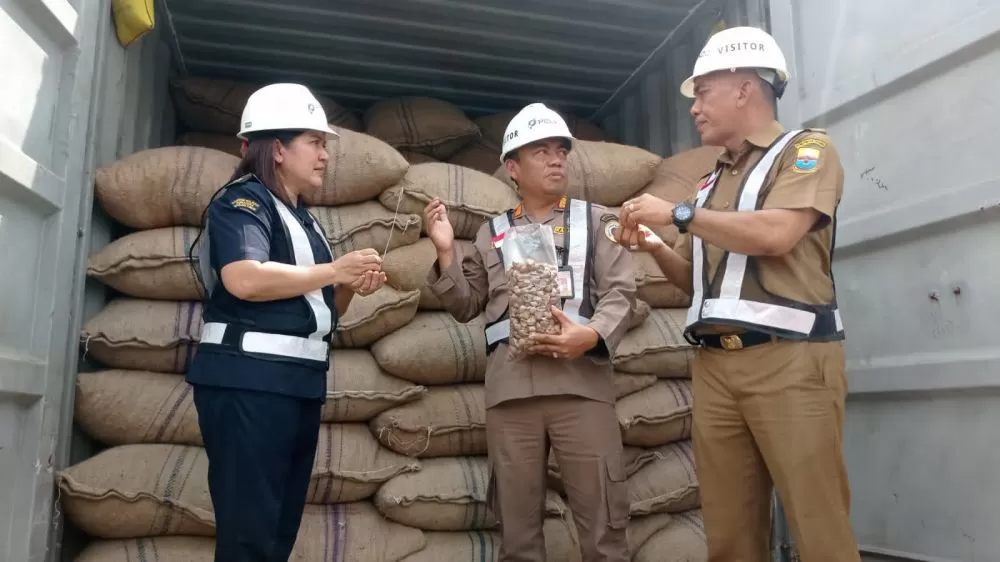
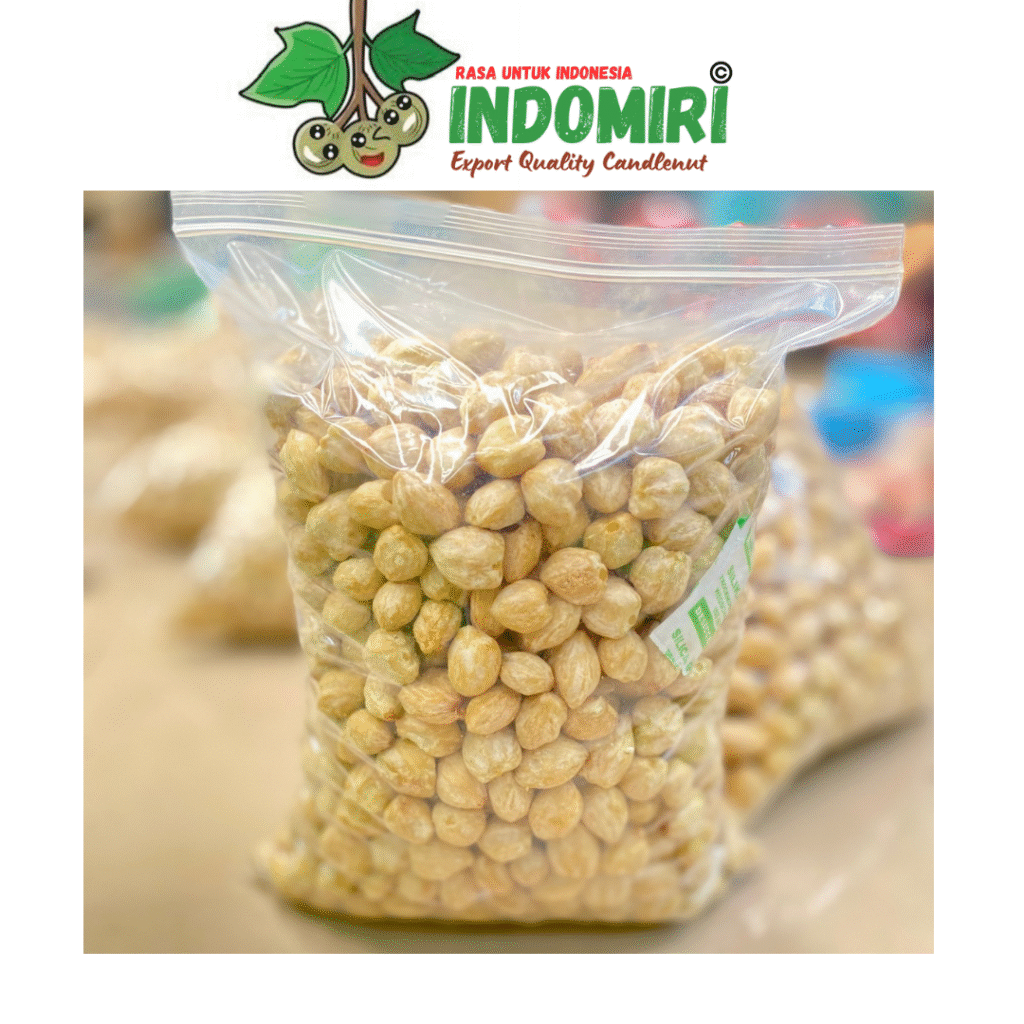
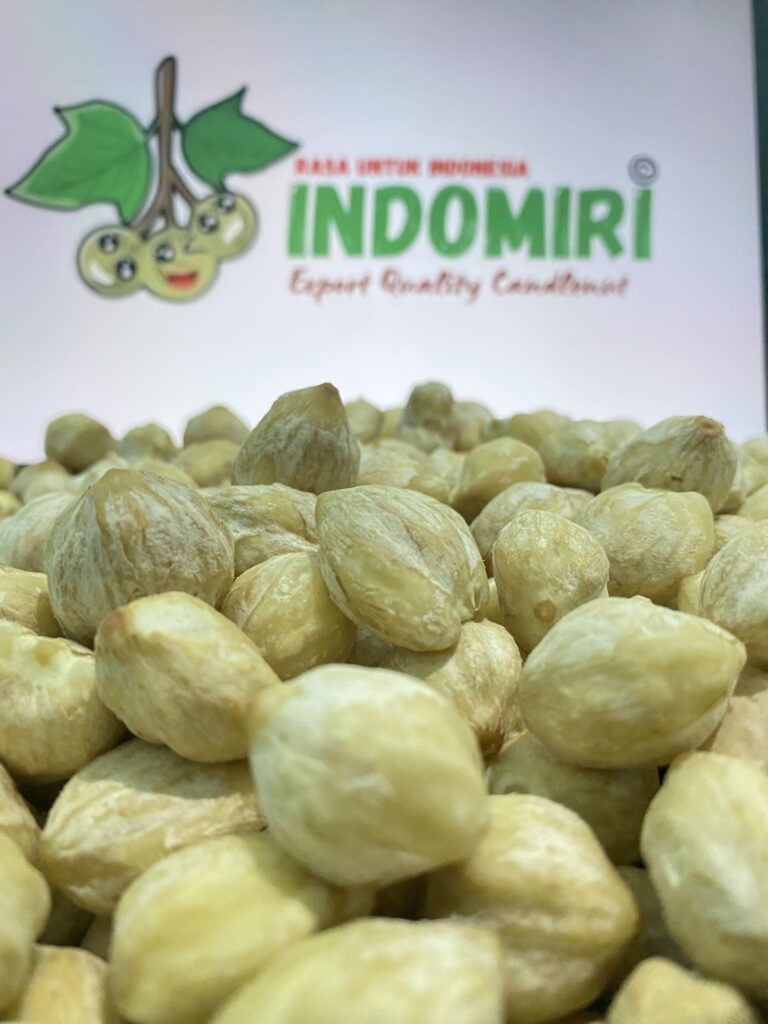
Candlenut, or kemiri in Indonesian, is the seed of the Aleurites moluccanus tree and is used as a cooking spice, traditional medicine, and cosmetics. The name “candlenut” comes from its ancient use as a candle due to its high oil content.
Availability: 100 tons per month. Packaging: vacuum-sealed plastic and master box
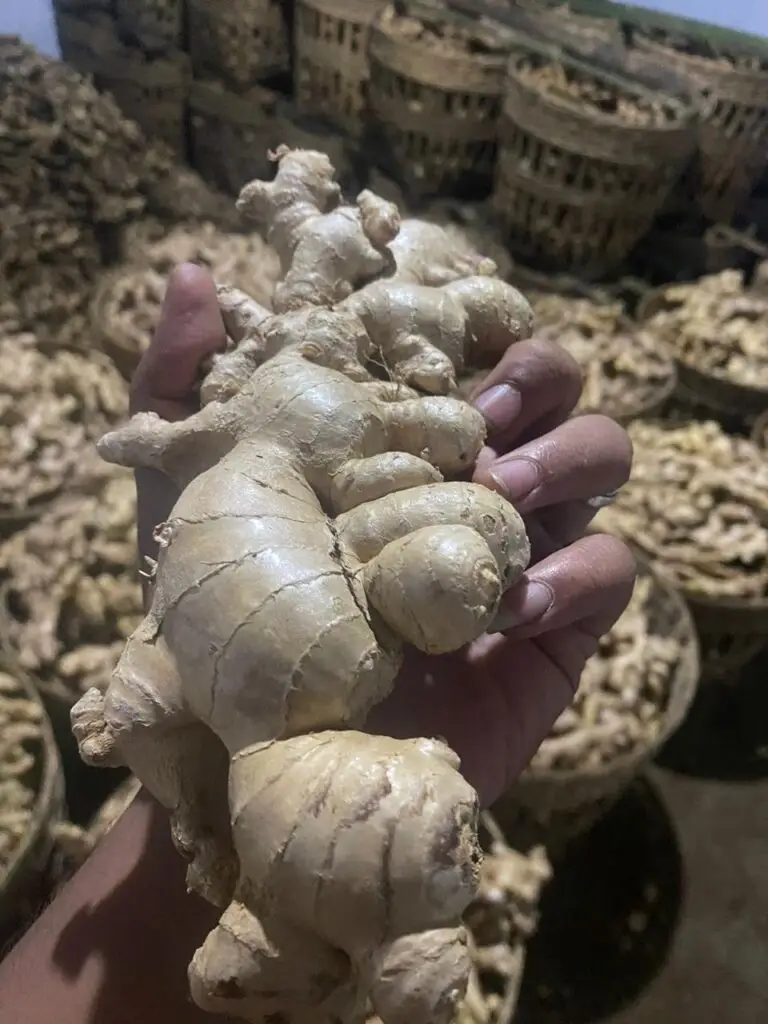
Ginger (Zingiber officinale Rosc.) is a high-value agricultural commodity in Indonesia. Of the three main known varieties—elephant ginger, emprit ginger, and red ginger—elephant ginger stands out for its largest and thickest rhizome. Also known as rhino ginger, this variety is very popular in both domestic and international markets due to its versatility in cooking and industrial processing.
Characteristics: Description Other Names: Large White Ginger, Rhino Ginger Rhizome: Largest and fattest (up to 8.5 cm in diameter) Flesh: Yellowish white Distinctive aroma, not as strong as emprit/red ginger Low to moderate spiciness (less biting) Low fiber and softer flesh Essential oil content: Approximately 0.8% – 2.8%